1. Signaling Pathways
  2. MAPK/ERK Pathway
  3. p38 MAPK

p38 MAPK

The p38 MAPK family consists of highly conserved proline-directed serine-threonine protein kinases that are activated in response to a number many growth factors, cytokines, and chemotactic substances, such as vascular endothelial growth factor (VEGF), fibroblast growth factor (FGF), PDGF, TNF, interleukins, lipopolysaccharide (LPS) and formyl-methionyl-leucyl-phenylalanine (fMLP). It is well known that p38 is involved in inflammation, apoptosis, cardiomyocyte hypertrophy and cell differentiation.

The p38 MAPK family is composed of four proteins: p38α (encoded by the gene Mapk14), p38β (Mapk11), p38γ (Mapk12), and p38δ (Mapk13). Their coding genes have a distinct tissue distribution and they appear differentially expressed, being Mapk14 the most highly expressed. p38 MAPKs are substrates for three MAP2K (MKK6, MKK3, and MKK4). The contribution of each of these MAP2K to p38 MAPKs activation depends on the stimulus and the cell type. The MAP3Ks that lead to p38 MAPKs activation are ASK1, DLK1, TAK1, TAO1, TAO2, TPL2, MLK3, MEKK3, MEKK4, and ZAK1.

Cat. No. Product Name Effect Purity Chemical Structure
  • HY-P2456
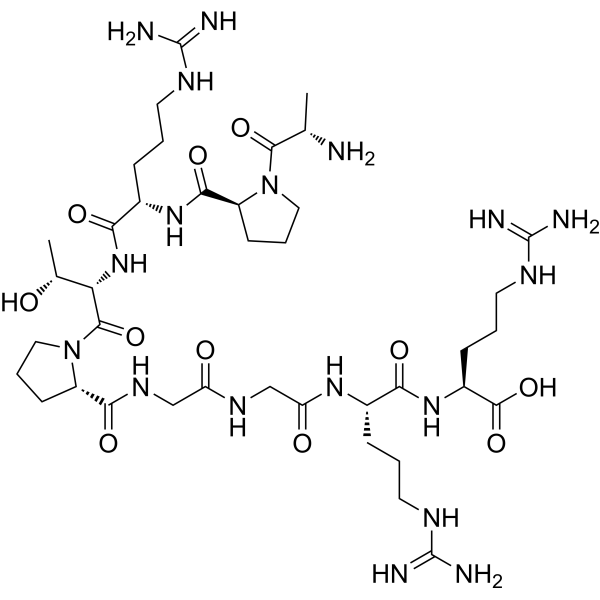
    MBP MAPK Substrate
    99.58%
    MBP MAPK Substrate is used as an exogenous substrate for MAPK.
    MBP MAPK Substrate
  • HY-W017982
    CMIT/MIT (14.5% in water)
    Activator
    CMIT/MIT is a CMIT and MIT mixture. CMIT and MIT are powerful synthetic biocidal substances. CMIT and MIT are used as preservatives in various cosmetics and industrial products. CMIT and MIT are present in many water-soluble consumer products, such as shampoos, toothpastes. CMIT/MIT (3:1 mixture of CMIT and MIT) produces mitochondrial ROS via inhibiting mitochondrial complex I and II. CMIT/MIT (in 3:1 ratio) induces neurotoxicity through the upregulation of the MAPKs signaling pathways. CMIT/MIT can be used in the research of respiratory diseases and neuroblastoma.
    CMIT/MIT (14.5% in water)
  • HY-113756A
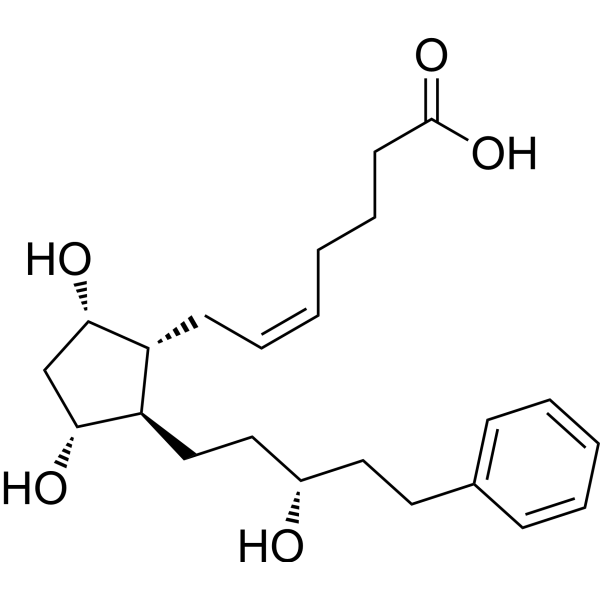
    Latanoprost acid
    98.77%
    Latanoprost acid, an analog of prostaglandin (PG) F2α, is an selective prostanoid receptor (FP) agonist that specifically activates the FP-PG receptor. Latanoprost acid inhibits RANKL-induced osteoclastgenesis and function by inhibiting ERK, AKT, JNK, and p38 cascade, following by the c-fos/NFATc1 pathway. Latanoprost acid is a medication which works to lower pressure inside the eyes.
    Latanoprost acid
  • HY-N0576
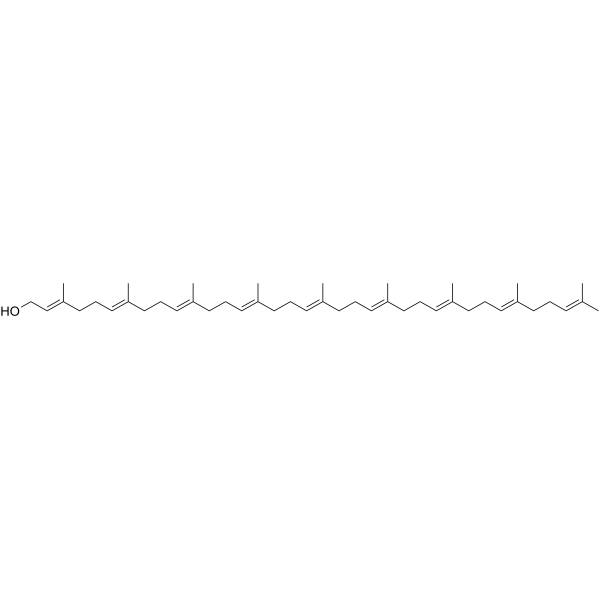
    Solanesol
    98.0%
    Solanesol is an orally active aliphatic terpene alcohol. Solanesol is mainly found in tobacco and other Solanaceae plants. Solanesol induces HO-1 and Hsp70 expression, activates p38 and Akt signaling pathways, and inhibits Apoptosis (reduces caspase-3 and PARP cleavage). Solanesol has antioxidant, anti-inflammatory, and neuroprotective activities. Solanesol can be used in the research of Huntington's disease, alcoholic liver disease, chronic inflammatory pain, anxiety, Alzheimer's disease, and bipolar disorder.
    Solanesol
  • HY-N0674A
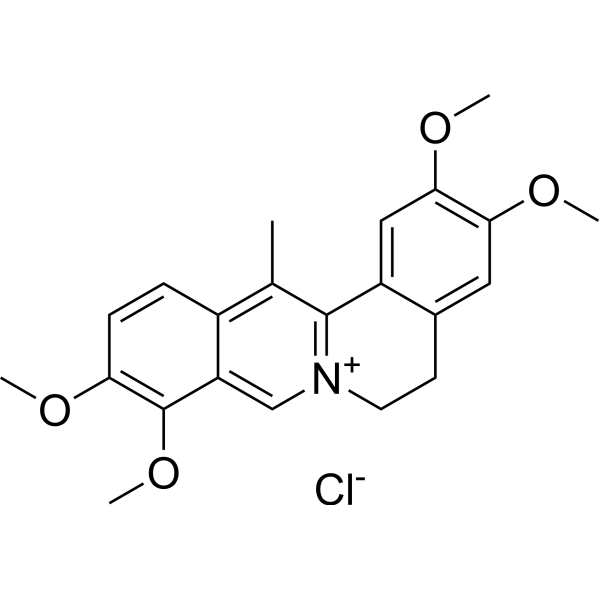
    Dehydrocorydaline chloride
    Activator 99.75%
    Dehydrocorydaline chloride (13-Methylpalmatine chloride) is an alkaloid that regulates protein expression of Bax, Bcl-2; activates caspase-7, caspase-8, and inactivates PARP. Dehydrocorydaline chloride elevates p38 MAPK activation. Anti-inflammatory and anti-cancer activities. Dehydrocorydaline chloride shows strong anti-malarial effects (IC50?=38 nM), and low cytotoxicity (cell viability?>?90%) using P. falciparum 3D7 strain.
    Dehydrocorydaline chloride
  • HY-W040045
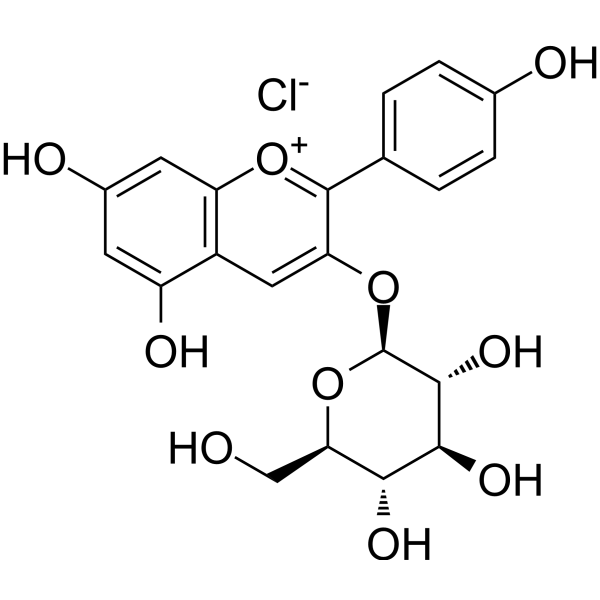
    Callistephin chloride
    Inhibitor 98.31%
    Callistephin (Pelargonidin 3-O-glucoside) chloride is an anthocyanin. Callistephin chloride regulates the expression of inflammatory (reducing iNOS/TNF-α/COX-2) and apoptosis-related proteins by inhibiting p38 phosphorylation, and enhances the protective effect of Isoflurane (HY-A0134) on microglial cell damage. Callistephin chloride significantly reduces ROS levels, eliminates DPPH free radicals, protects retinal pigment epithelial cells, and inhibits lipid peroxidation. Callistephin chloride can alleviate glutamate excitotoxicity, reduce neuronal apoptosis, and protect cerebellar granule neurons. Callistephin chloride can inhibit the proliferation and metastasis of breast cancer cells by inducing apoptosis.
    Callistephin chloride
  • HY-114118S3
    Semaglutide-13C6,15N TFA
    Activator
    Semaglutide-13C6,15N TFA is the 13C- and 15N-labeled Semaglutide TFA (HY-114118A). Semaglutide TFA is a long-acting, selective, competitive GLP-1R agonist that can penetrate the blood-brain barrier. After activating GLP-1R, Semaglutide TFA promotes insulin secretion, inhibits gastric emptying and appetite, and at the same time enhances autophagy, inhibits oxidative stress and apoptosis. Semaglutide TFA also regulates mitochondrial function and lipid metabolism (such as reducing de novo lipogenesis in the liver). Semaglutide TFA has activities such as lowering blood sugar, reducing weight, neuroprotection (such as improving motor function in Parkinson's disease models, reducing α-synuclein aggregation) and improving hepatic steatosis. Semaglutide TFA can be used for the study of neurodegenerative diseases and liver diseases such as type 2 diabetes, obesity, Parkinson's disease, metabolic associated fatty liver disease (MASLD), and cancer.
    Semaglutide-<sup>13</sup>C<sub>6</sub>,<sup>15</sup>N TFA
  • HY-B0612
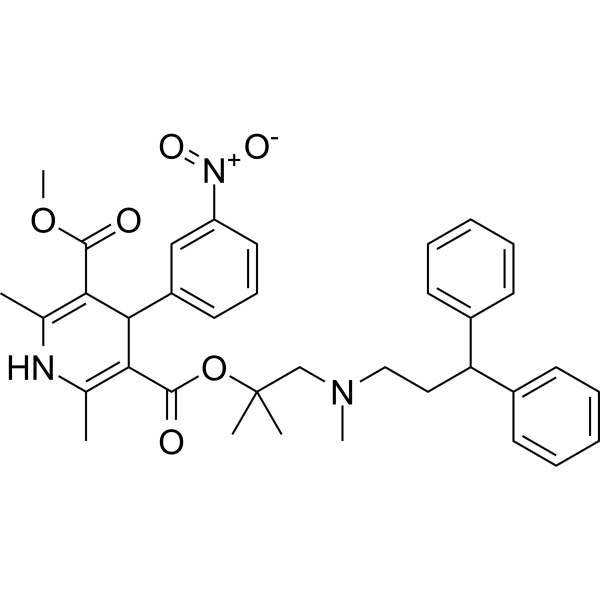
    Lercanidipine
    Inhibitor 99.93%
    Lercanidipine is a third-generation, lipophilic, brain-penetrant, vascular-selective and orally active dihydropyridine-calcium channel blocker with a pIC50 of 7.74 (converts from μM). Lercanidipine has long lasting antihypertensive action as well as reno- and neuro-protective effect. Lercanidipine also shows anti-oxidant, anti-inflammatory and anti-apoptotic properties. Lercanidipine can be used in cardiovascular and neurological research.
    Lercanidipine
  • HY-B1839
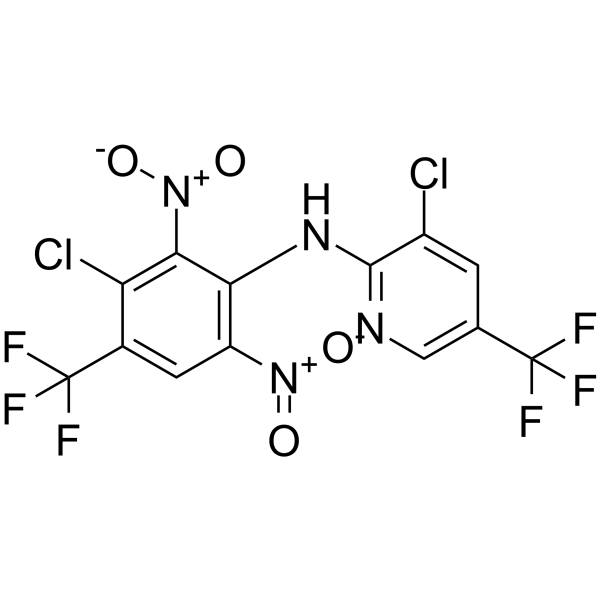
    Fluazinam
    Activator 99.36%
    Fluazinam is an orally active dinitroaniline fungicide. Fluazinam induces phosphorylation of JNK, activates p38 pathway, decreases Bcl-2, activates caspase-3, decreases complex I activity, increases Autophagy and Apoptosis. Fluazinam has strong antifungal activity against F. fujikuroi and B. maydis. Fluazinam has a negative impact on Brachydanio rerio and worker bees.
    Fluazinam
  • HY-12716A
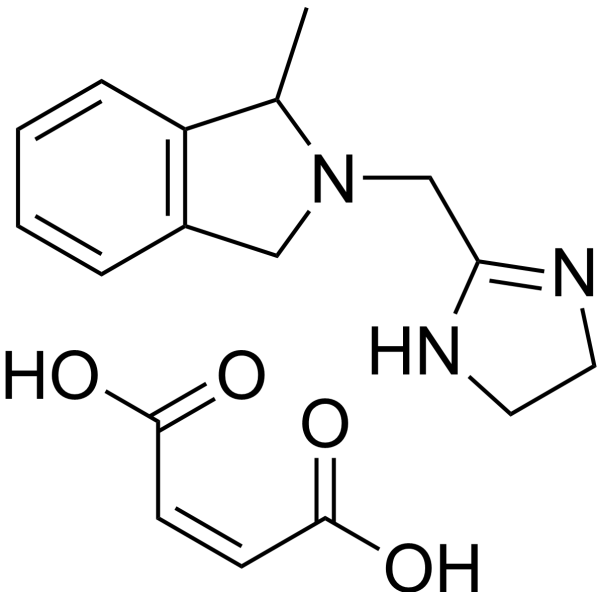
    BRL-44408 maleate
    Inhibitor 99.0%
    BRL-44408 maleate is a selective, blood-brain barrier-permeable α2A-adrenergic receptor antagonist with a Ki value of 8.56 nM against human targets. BRL-44408 maleate exhibits activities such as antidepressant, analgesic effects and attenuation of sepsis-induced acute lung injury by regulating the release of neurotransmitters such as norepinephrine and dopamine, or inhibiting signaling pathways including ERK1/2, p38MAPK and p65. BRL-44408 maleate can be used in studies related to acute respiratory distress syndrome, depression and visceral pain.
    BRL-44408 maleate
  • HY-123205
    Oxatomide
    Inhibitor 98.11%
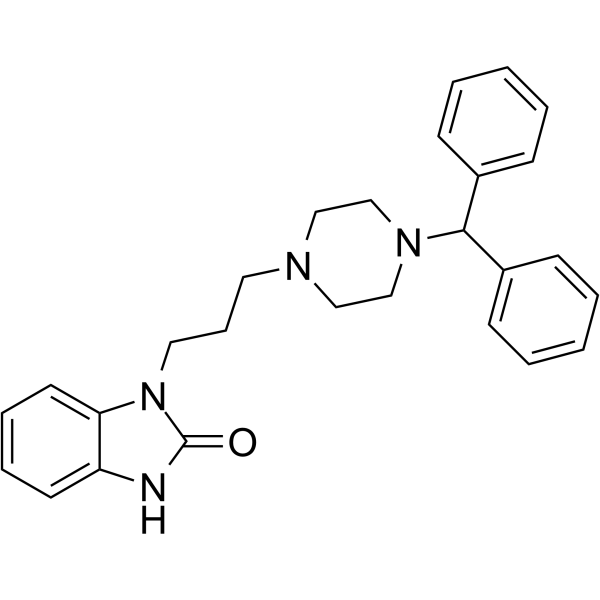
    Oxatomide (KW-4354) is an orally active dual antagonist of the H1-histamine receptor and the P2X7 receptor, as well as an inhibitor of serotonin. Oxatomide possesses antihistaminic, antiallergic and anti-inflammatory activities. Oxatomide can be used in the research of allergic diseases.
    Oxatomide
  • HY-N0735
    Phellodendrine chloride
    Inhibitor 99.68%
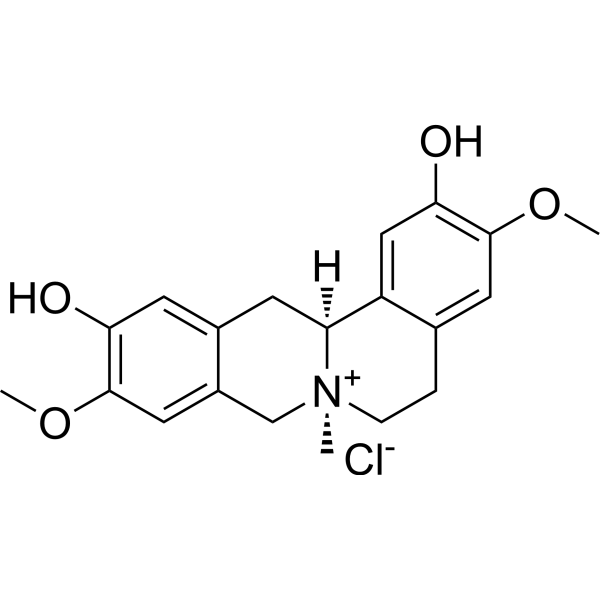
    Phellodendrine chloride is an orally active plant alkaloid. Phellodendrine chloride inhibits the proliferation of KRAS-mutated pancreatic cancer cells by suppressing macropinocytosis and glutamine metabolism, inducing ROS accumulation and mitochondrial apoptosis. Phellodendrine chloride promotes autophagy by activating the AMPK/mTOR pathway, alleviating intestinal damage in ulcerative colitis. Phellodendrine chloride can alleviate gouty arthritis by inhibiting the IL-6/STAT3 signaling pathway. Phellodendrine chloride suppresses allergic reactions by altering the conformation of MRGPRB3/MRGPRX2 protein, thereby inhibiting the activation of PKC and subsequent downstream MAPK and NF-κB signaling. Phellodendrine chloride inhibits the AKT/NF-κB pathway and down-regulates the expression of COX-2, thereby protecting zebrafish embryos from oxidative stress. Phellodendrine chloride has an anti-major depressive disorder (MDD) effect by down-regulating CHRM1, HTR1A, and the PI3K/Akt signaling pathway.
    Phellodendrine chloride
  • HY-N0660
    Jujuboside B
    Inhibitor 99.92%
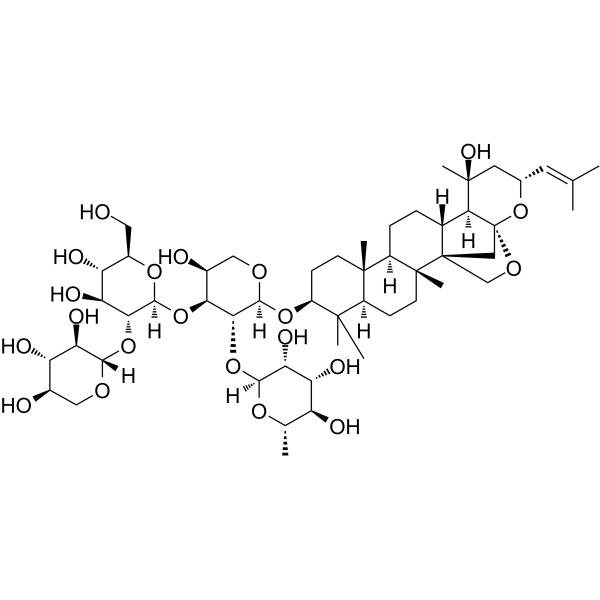
    Jujuboside B is a bioactive saponin component isolated from Ziziphi Spinosae Semen (sour jujube seed), with oral efficacy and blood-brain barrier permeability. Jujuboside B induces acute leukemia cell death and drives necroptosis apoptosis by activating the RIPK1/RIPK3/MLKL pathway. Jujuboside B upregulates the expression of NOXA, PARP and caspase-3, activates AMPK, inhibits the proliferation of breast cancer cells, and induces cell apoptosis and autophagy. Jujuboside B inhibits angiogenesis and tumor growth by blocking the VEGFR-2 signaling pathway. Jujuboside B alleviates liver injury in mice by regulating the Nrf2-STING signaling pathway. Jujuboside B alleviates liver injury by regulating anti-inflammatory responses and downregulating the expression of 11β-HSD2. Jujuboside B induces ferroptosis and overcomes radioresistance in non-small cell lung cancer via the PPARγ-ATF3-Gpx4 signaling pathway. Jujuboside B exerts inhibitory effects on platelet aggregation. Jujuboside B inhibits febrile seizures by suppressing the activity of AMPA receptors. Jujuboside B reverses chronic unpredictable mild stress-promoted tumor progression by blocking the PI3K/Akt and MAPK/ERK pathways and dephosphorylating CREB signaling. Jujuboside B is applicable to related studies on acute leukemia, breast cancer, PM2.5-induced lung injury, hepatotoxicity, liver injury, colorectal cancer, non-small cell lung cancer, thromboembolic diseases, cardiovascular diseases associated with high platelet aggregation, febrile seizures, and depressive-like phenotypes.
    Jujuboside B
  • HY-P99304
    Lumretuzumab
    Inhibitor ≥99.0%
    Lumretuzumab (Anti-Human ERBB3 Recombinant Antibody) is a humanized anti-HER3 (ERBB3) monoclonal antibody. Lumretuzumab effectively inhibits the activity of key oncogenic signaling pathways such as PI3K/AKT and MAPK. Lumretuzumab has been optimized through glycosyl engineering to enhance antibody-dependent cell-mediated cytotoxicity (ADCC). Lumretuzumab can be used to study HER3-positive, HER2-low-expressing solid tumors, especially breast cancer.
    Lumretuzumab
  • HY-N2963
    Broussonin E
    Inhibitor 98.11%
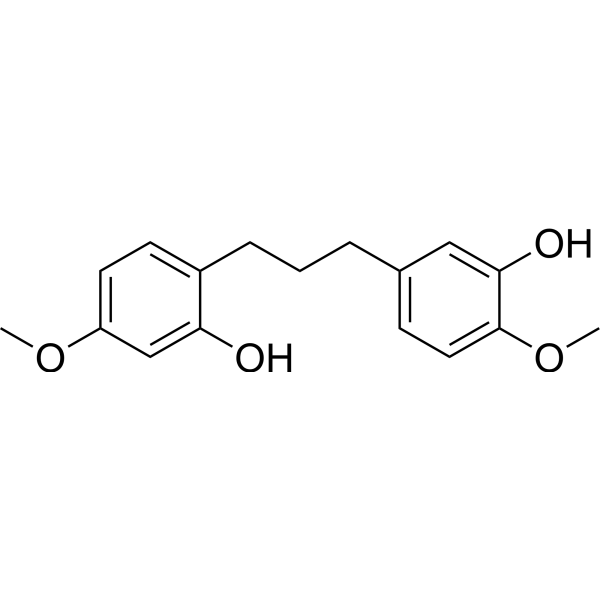
    Broussonin E is a phenolic compound and shows anti-inflammatory activity. Broussonin E can suppress inflammation by modulating macrophages activation statevia inhibiting the ERK and p38 MAPK and enhancing JAK2-STAT3 signaling pathway. Broussonin E can be used for the research of inflammation-related diseases such as atherosclerosis.
    Broussonin E
  • HY-N3519
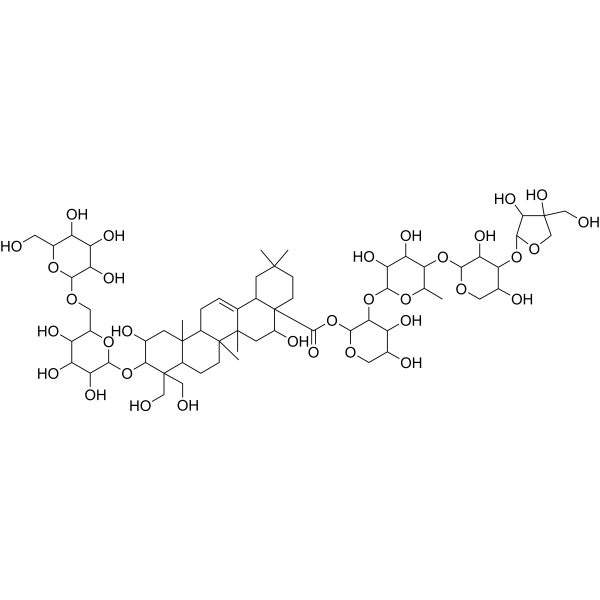
    Platycodin D3
    Inhibitor 98.91%
    Platycodin D3 is a triterpenoid saponin that can be found in Platycodon grandiflorum. Platycodin D3 exhibits multiple activities including anti-inflammation, regulation of airway mucus secretion, improvement of asthmatic airway inflammation and remodeling, and inhibition of hepatitis C virus (HCV) replication. The IC50 value of Platycodin D3 against HCV NS5B RNA-dependent RNA polymerase is 8 μg/mL. Platycodin D3 can be used in studies related to asthma, hepatitis C virus infection and inflammatory diseases.
    Platycodin D3
  • HY-15509A
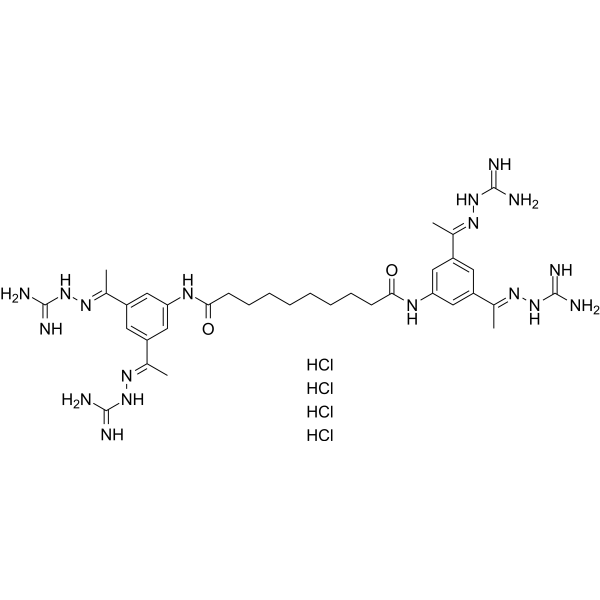
    Semapimod tetrahydrochloride
    99.18%
    Semapimod tetrahydrochloride (CNI-1493), an inhibitor of proinflammatory cytokine production, can inhibit TNF-α, IL-1β, and IL-6. Semapimod tetrahydrochloride inhibits TLR4 signaling (IC50≈0.3 μM). Semapimod tetrahydrochloride inhibits p38 MAPK and nitric oxide production in macrophages. Semapimod tetrahydrochloride has potential in a variety of inflammatory and autoimmune disorders.
    Semapimod tetrahydrochloride
  • HY-113402A
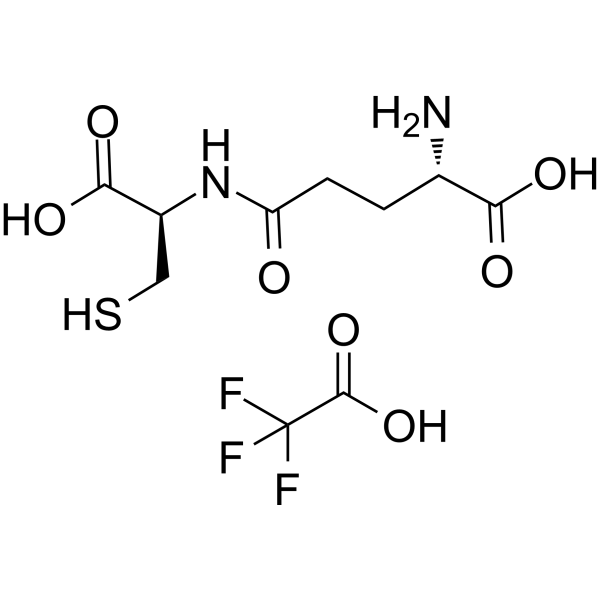
    Gamma-glutamylcysteine TFA
    Inhibitor
    Gamma-glutamylcysteine TFA (γ-Glu-Cys TFA) is an orally active, blood-brain barrier permeable dipeptide. Gamma-glutamylcysteine TFA activates AMPK, SIRT1, IL-4/STAT6, AC/cAMP/PI3K, IGF-1R/IRS1/PI3K, and Nrf2 signaling pathways; it inhibits NF-κB, JAK1/STAT1/3, MAPKs, cadmium-induced p38 MAPK, JNK, and PI3K/Akt signaling pathways. Gamma-glutamylcysteine TFA regulates macrophage polarization, modulates the trafficking of CD36 and GLUT4, induces glutathione synthesis, improves metabolic dysfunction, reduces lipid deposition, ameliorates glucose homeostasis, inhibits apoptosis (Apoptosis), stabilizes mitochondria, suppresses lipid peroxidation, iron accumulation and ferroptosis (Ferroptosis), reduces ds-HMGB1 levels, reverses mechanical hyperalgesia, and alleviates hepatic lipid droplet formation. Gamma-glutamylcysteine TFA is applicable to research related to inflammatory bowel disease, type 2 diabetes, cadmium-induced neurotoxicity, Alzheimer's disease, cerebral ischemia/reperfusion injury, neuropathy, and alcoholic liver disease.
    Gamma-glutamylcysteine TFA
  • HY-W014605
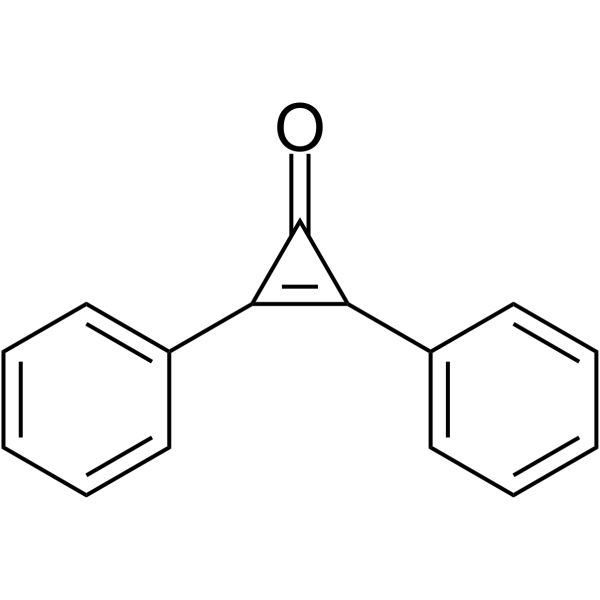
    Diphenylcyclopropenone
    Activator 99.88%
    Diphenylcyclopropenone (Diphencyprone) is a potent hapten acting as a topical immunomodulatory agent, which induces an allergic contact dermatitis. Diphenylcyclopropenone induces an increase of cell-surface thiols in cells of a human monocytic cell line, THP-1. Diphenylcyclopropenone acts on the autoreactive T-lymphocytes within the follicular milieu to induce Apoptosis. Diphenylcyclopropenone can be used for alopecia areata research.
    Diphenylcyclopropenone
  • HY-Y1322
    Triphenyl phosphate
    Inhibitor 99.67%
    Triphenyl phosphate is an orally active, blood-brain barrier-permeable aryl organophosphate flame retardant and endocrine disruptor. Triphenyl phosphate disrupts mitochondrial dynamic balance through oxidative stress, induces excessive mitophagy and apoptosis, and ultimately leads to myocardial fibrosis. In the brain, Triphenyl phosphate activates the NF-κB inflammatory pathway by disrupting the gut microbiota, alters tryptophan metabolism and elevates neurotoxins, thereby inducing anxiety- and depression-like behaviors. In the skeletal and reproductive systems, Triphenyl phosphate inhibits osteoblast differentiation and induces germ cell apoptosis by suppressing the MAPK/ERK pathway and activating the JNK signal, respectively. In adipose and placental tissues, Triphenyl phosphate promotes lipid accumulation by activating the PI3K/AKT-PPARγ axis, and disrupts placental metabolism via the MAOA/ROS/NF-κB cascade, impairing neurodevelopment of offspring.
    Triphenyl phosphate
Cat. No. Product Name / Synonyms Species Source
Cat. No. Product Name / Synonyms Application Reactivity

Your Search Returned No Results.

Sorry. There is currently no product that acts on isoform together.

Please try each isoform separately.